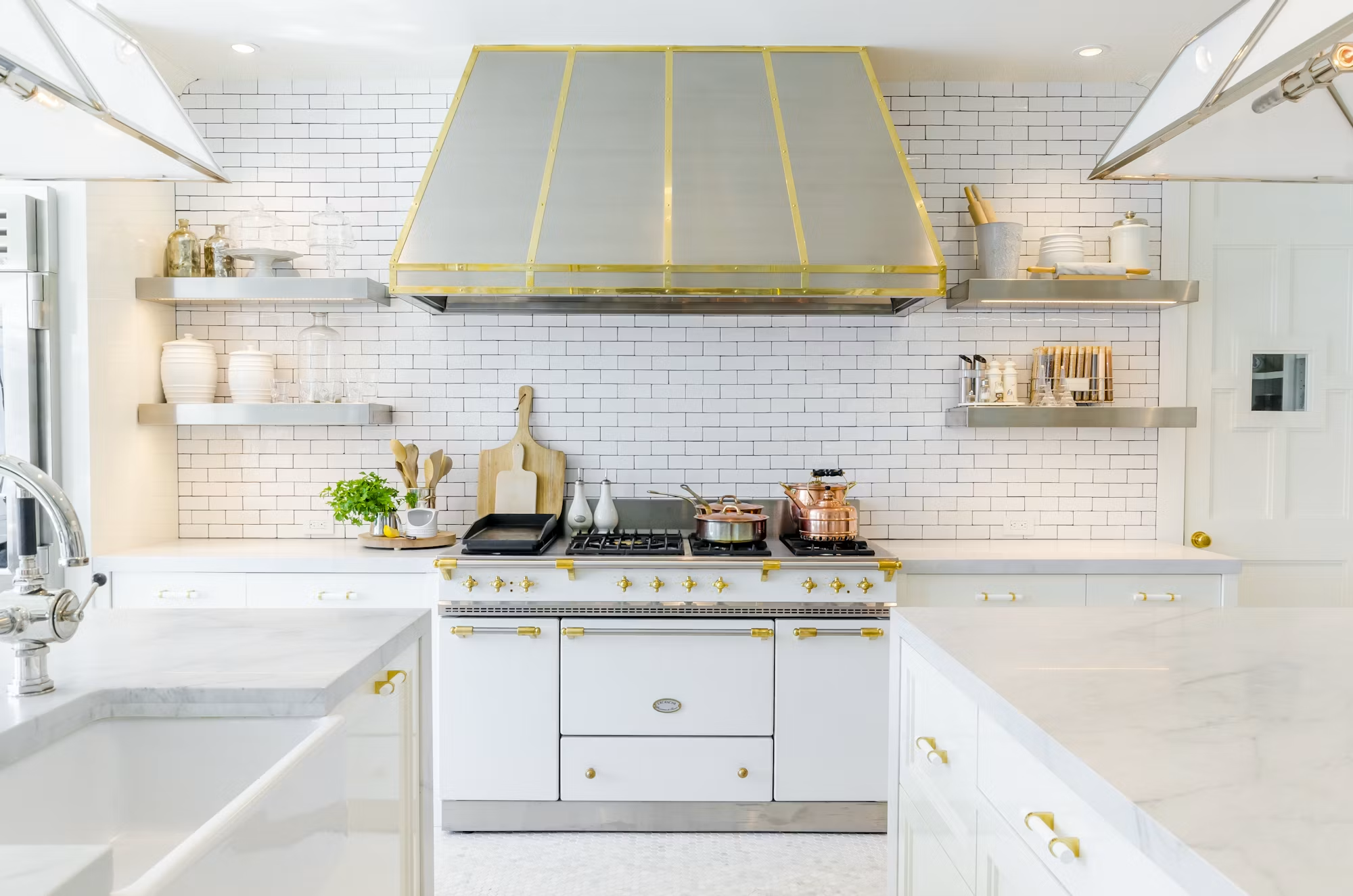
In the realm of interior design, the concept of personalization has emerged as a pivotal trend. As individuals seek to create spaces that reflect their unique identities, the importance of personalization in home environments has never been more pronounced. This article delves into the significance of tailoring interior design to individual preferences, exploring how personalized spaces enhance well-being, foster creativity, and create a sense of belonging.
The Role of Personalization in Home Design
Personalization in home design goes beyond mere aesthetics; it speaks to the heart of who we are and how we choose to live. Each person has a distinct style, influenced by their experiences, culture, and personality. When interior design incorporates these elements, it transforms a house into a home—a sanctuary that resonates with the inhabitant’s identity.
The process of personalization often begins with understanding one’s own preferences. This can involve exploring color palettes, textures, and patterns that evoke comfort and joy. For some, a bright and vibrant color scheme may inspire energy and creativity, while others may prefer calming neutral tones that promote tranquility. By selecting colors and materials that resonate personally, individuals can create an environment that feels authentic and nurturing.
Emotional Connection to Space
The emotional connection we have with our living spaces significantly impacts our well-being. A well-designed home can evoke feelings of happiness, comfort, and security. Personalization plays a crucial role in fostering this connection. When individuals see their favorite art pieces, cherished photographs, or meaningful souvenirs integrated into their spaces, they feel a deeper sense of belonging.
Incorporating personal items into home design not only enhances aesthetics but also tells a story. Each item holds memories, evoking nostalgia and a sense of identity. This narrative quality enriches the living environment, making it a reflection of life experiences and values. As guests enter a home filled with personalized touches, they are often able to glimpse the lives and personalities of those who reside there, fostering deeper connections.
Functional Personalization: Meeting Individual Needs
Personalization is not just about aesthetics; it also addresses functional needs. As lifestyles evolve, so do the requirements for living spaces. An increasing number of people work from home, engage in hobbies, or care for family members within their homes. Tailoring interior spaces to meet these functional needs is essential for creating an efficient and enjoyable living environment.
For instance, a dedicated home office can enhance productivity, while a cozy reading nook can provide a retreat for relaxation. Flexible furniture arrangements and multi-functional spaces allow for adaptability in response to changing needs. By customizing their environments, individuals can create spaces that support their daily routines and enhance their quality of life.
The Influence of Cultural Background
Cultural background significantly shapes our design preferences. Different cultures have unique traditions, colors, and design elements that influence how we perceive and decorate our spaces. By integrating cultural elements into home design, individuals not only celebrate their heritage but also create an environment that feels authentically theirs.
For example, a home inspired by Asian design principles might emphasize minimalism, natural materials, and an indoor-outdoor connection, while a Mediterranean-influenced space might feature warm colors, textured fabrics, and intricate tile work. Personalizing a home with cultural elements fosters pride and connection, bridging the gap between identity and environment.
The Impact of Trends on Personalization
While personalization is about individual expression, it also exists within a larger context of design trends. Interior design is constantly evolving, influenced by societal changes, technological advancements, and cultural shifts. Staying informed about current trends can inspire individuals to incorporate contemporary styles into their personalized spaces.
For instance, the resurgence of biophilic design—emphasizing natural elements and connections to the outdoors—offers opportunities for personalization through the inclusion of plants, natural light, and organic materials. Similarly, sustainable design practices encourage individuals to select eco-friendly materials and furnishings that align with their values, enhancing both aesthetics and ethics in their homes.
However, it is essential to strike a balance between personal preferences and trends. While trends can provide inspiration, they should not overshadow individual style. Personalization should ultimately prioritize the homeowner’s taste and lifestyle, allowing for a harmonious blend of contemporary design with individual flair.
Personalization and Mental Well-Being
Numerous studies have shown a connection between well-designed spaces and mental well-being. Personalization in home design can contribute to improved mood, reduced stress, and enhanced overall happiness. A space that feels uniquely yours encourages comfort and contentment, fostering a sense of peace.
Incorporating elements that bring joy—such as favorite colors, meaningful artwork, or cherished heirlooms—creates a positive atmosphere that uplifts the spirit. Additionally, allowing for personal expression through design choices empowers individuals to take ownership of their spaces, further enhancing their sense of well-being.
The Future of Personalization in Interior Design
As we look ahead, the trend of personalization in interior design is poised to grow even stronger. Advances in technology are making it easier for individuals to customize their spaces. Virtual reality and augmented reality tools allow homeowners to visualize design choices before implementation, ensuring their selections align with their personal vision.
Moreover, the rise of online design platforms enables users to experiment with different styles and layouts, fostering creativity and exploration. This democratization of design empowers individuals to take control of their home environments, encouraging greater engagement in the design process.
Conclusion
In conclusion, personalization in interior design is an essential aspect of creating a meaningful and fulfilling living environment. By integrating individual preferences, cultural influences, and functional needs, homeowners can transform their spaces into reflections of their identities. As the importance of personalization continues to rise, the future of home design will be shaped by an emphasis on authenticity, connection, and well-being. Ultimately, a personalized home is not just a physical space; it is a sanctuary that nurtures the soul, providing comfort, joy, and a true sense of belonging.